
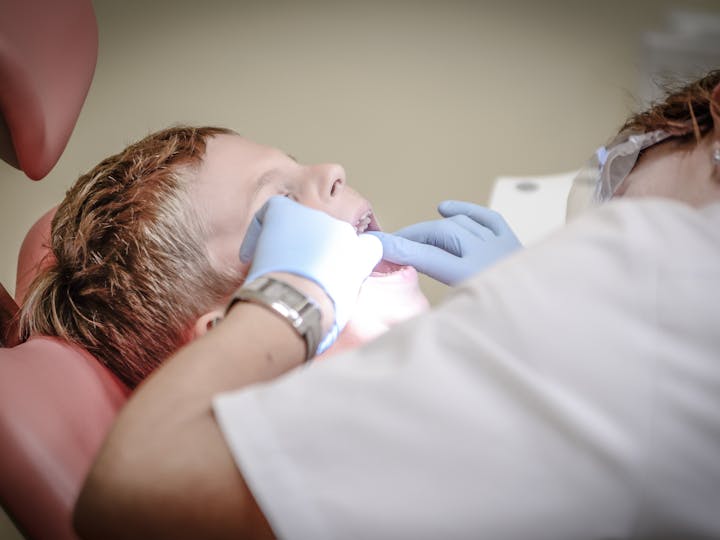
As a parent, few things are more concerning than watching your child experience dental problems. Whether it’s due to an accident on the playground, sports injury, or natural developmental issues, tooth loss in children and teens can affect their confidence, oral health, and overall wellbeing. Understanding the available tooth replacement options can help you make informed decisions about your child’s dental care.
When Tooth Replacement Becomes Necessary
Children can lose teeth prematurely for various reasons beyond the normal shedding of baby teeth. Sports accidents, falls, tooth decay, and genetic conditions can all lead to situations where tooth replacement becomes necessary. While baby teeth naturally fall out, losing them too early can cause spacing issues and affect the development of permanent teeth. When permanent teeth are lost, the stakes become even higher.
Options for Baby Teeth
When a baby tooth is lost prematurely, dentists often recommend a space maintainer rather than a replacement tooth. This simple device holds the gap open, ensuring that permanent teeth have room to emerge properly. Space maintainers are cost-effective and prevent the need for more extensive orthodontic work later.
Permanent Tooth Replacement Solutions
For permanent teeth, parents have several options to consider, each with unique advantages and considerations.
Dental Bridges serve as a traditional solution that anchors artificial teeth to adjacent natural teeth. While effective, bridges require altering healthy teeth and may not be ideal for growing children whose jaws are still developing.
Removable Partial Dentures offer a temporary solution that’s particularly suitable for younger patients. These can be adjusted as the child grows and are less invasive than permanent options. However, they require diligent care and may feel uncomfortable initially.
Dental Implants represent the most permanent solution but typically aren’t recommended until jaw growth is complete, usually in the late teens or early twenties. Implants involve surgically placing a titanium post into the jawbone, which serves as an artificial root for a replacement tooth. While this option provides the most natural look and function, timing is crucial. For parents exploring comprehensive information about modern replacement solutions, New Smile Now offers valuable insights into various dental restoration options.
Age Considerations Matter
The appropriate tooth replacement option largely depends on your child’s age and developmental stage. For children under 12, conservative approaches like space maintainers or removable appliances are typically preferred. Adolescents between 12 and 17 might be candidates for bridges or continued use of temporary solutions until they’re old enough for implants. Young adults over 18 whose jaw growth is complete can consider all available options, including dental implants.
Financial and Long-Term Planning
Tooth replacement can represent a significant financial investment. Many dental insurance plans cover certain procedures, particularly those deemed medically necessary for children. Parents should consult with their insurance providers and dental professionals to understand coverage and create a long-term treatment plan that considers both immediate needs and future options.
The Importance of Professional Guidance
Every child’s situation is unique, making professional dental evaluation essential. Pediatric dentists and orthodontists can assess jaw development, bite alignment, and overall oral health to recommend the most appropriate solution. Regular follow-ups ensure that chosen treatments continue to meet your child’s evolving needs.
Navigating tooth replacement options for your child doesn’t have to be overwhelming. By understanding the available solutions and working closely with dental professionals, you can ensure your child receives appropriate care that protects their oral health and preserves their confidence. Remember that many tooth replacement needs can be addressed with temporary solutions until your child is old enough for more permanent options, giving you time to plan and prepare for their long-term dental health.