
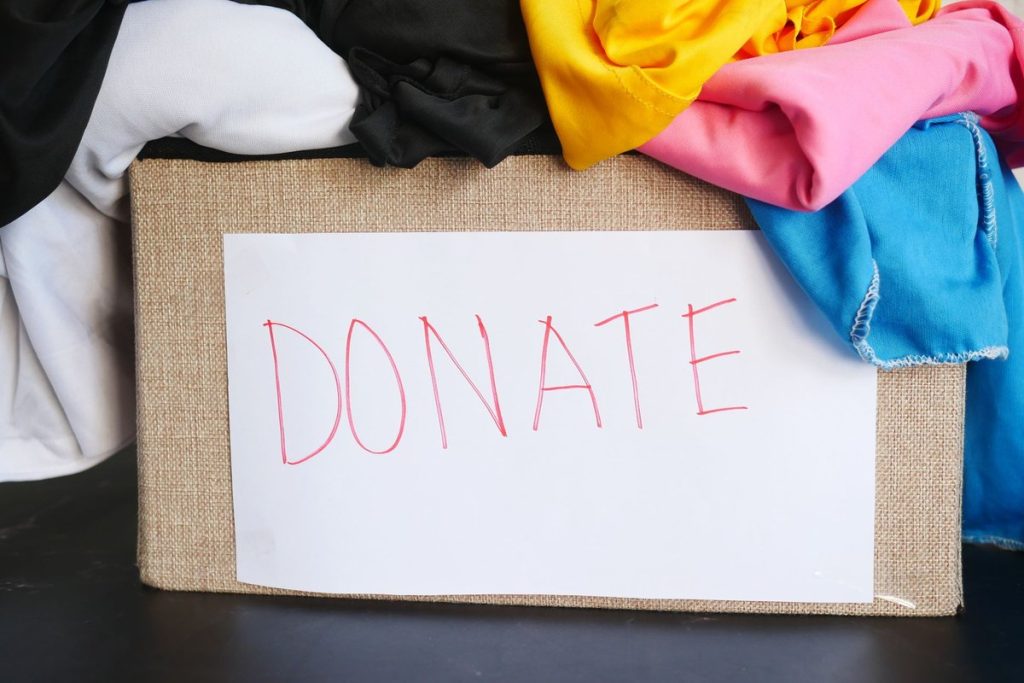
Getting children involved in charity can sound a little formal. “Family philanthropy” almost sounds like something that belongs in a boardroom. But really, it can be as simple as a child putting some of their pocket money into a jar and deciding where it should go. Or helping pick a few things from the cupboard for a food donation. Or asking a parent why some children don’t have the same things they do. Those little conversations count. They are often where children first start understanding that there are people outside their own home who may need a bit of help.
Start with What They Actually Care About
It doesn’t make much sense to sit a six-year-old down and give them a lecture about global poverty. They’ll probably lose interest pretty quickly. Start with something they already understand. Maybe they love animals. Great. An animal shelter could be a good place to start. Maybe they are always bringing home leaves, rocks and random sticks because they are obsessed with being outside. An environmental cause might catch their attention. And some kids naturally notice when another child is struggling. They might be interested in school supplies; food drives or causes that help children. There isn’t really a right answer here.
Ask them. “What would you like to help with?” The answer might be something completely unexpected. That’s part of the point.
Let Them Pick Sometimes
Parents naturally want to make the decisions. It’s faster. Find a charity. Make the donation. Done. But children don’t learn very much from watching a payment go through. Give them a little say instead. A younger child could choose between two causes. An older child can actually look into a few organisations and decide which one they would support. And this is where another useful conversation can happen.
Not every charity works in the same way. Not every website tells you enough about where donations go. Children can learn to look at the work being done, who benefits and whether the organisation provides clear information. It doesn’t have to become a homework assignment. Just show them what to look for. St. Jude also recommends making children part of charitable activities and helping them understand the difference their giving can make.
Don’t Worry About Making a Huge Donation
A child doesn’t need to donate hundreds of dollars to learn something from giving. A few coins can be enough. Some families use three jars – spending, saving and giving. It’s an easy way for younger children to see that money doesn’t always have to be spent immediately.
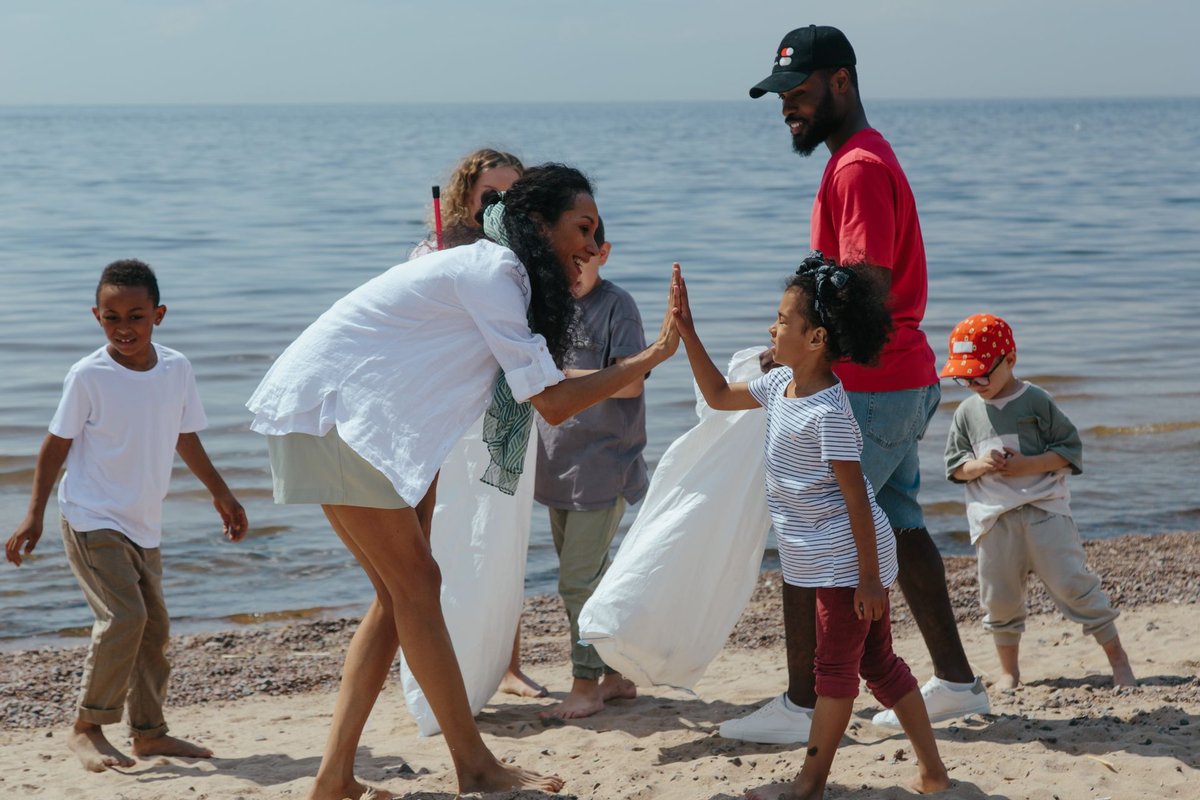
For teenagers, it could be part of an allowance or money earned from a small job. And then there’s time. This gets overlooked quite a bit. Helping pack food parcels. Collecting school supplies. Joining a community clean-up. Sorting clothes that are no longer needed. None of these things requires a huge budget. They also make giving feel real. A child can actually see what they’re doing instead of just hearing that their parents “donated to a good cause.”
Talk About Things They Usually Don’t Think About
As children get older, there are more opportunities to talk about problems that might seem very far away from their everyday lives. Water is a good example. At home, clean water is usually just there. Turn the tap on. Fill the glass. Wash your hands. Take a shower. There’s not much thought involved. But that’s not the case for every family.
UNICEF’s 2025 reporting on Pakistan discusses ongoing work around water, sanitation and hygiene, including efforts that have helped expand access to basic safe water services. This can actually be an interesting thing to talk about with children. What if there wasn’t a tap at home? What if getting clean water meant travelling somewhere first? Would there be less time for school? What about cooking, washing or staying healthy? These questions make the issue easier to understand. If the family is looking at international causes together, water relief Pakistan is one example that can lead into a conversation about clean water and the families who don’t have reliable access to it. No big explanation is needed. Children usually understand more than adults give them credit for.
Obviously, Keep Their Age in Mind
A five-year-old doesn’t need to know how a charity is funded. They can help choose items for a donation box. That’s enough. A ten-year-old can probably do a little more. They might look at two causes online and explain which one they think the family should support. Teenagers can take on an actual research role. Give them a small budget. Ask them to find a few organisations. Compare them. See what projects they run. Then make the decision together. It’s a useful exercise in research and money management, but it doesn’t feel quite like school.
And sometimes these conversations lead somewhere else entirely. A child may start asking why some communities have less access to schools, healthcare or clean water in the first place. UNICEF’s recent reporting continues to highlight how these basic services affect children, particularly those living in vulnerable circumstances. Those aren’t easy questions. But they’re worth having.
It Doesn’t Need to Become a Big Family Project
There doesn’t need to be a spreadsheet. Or a yearly philanthropy strategy. Or a special family meeting every month. Children mostly learn from what they see repeatedly. They see a parent helping someone. They see clothes being put aside for donation. They see the family contributing to a cause. Eventually, giving becomes something normal. And there will be questions. “Why are we giving this money away?” “Why can’t we spend it on something else?” Those are probably some of the best conversations to have. It gives parents a chance to talk about needs and wants. About having enough. About other families having different circumstances.
Start small. Let children choose sometimes. Let them ask questions, even awkward ones. And don’t worry about making every charitable activity into a lesson. Sometimes helping is enough.
