
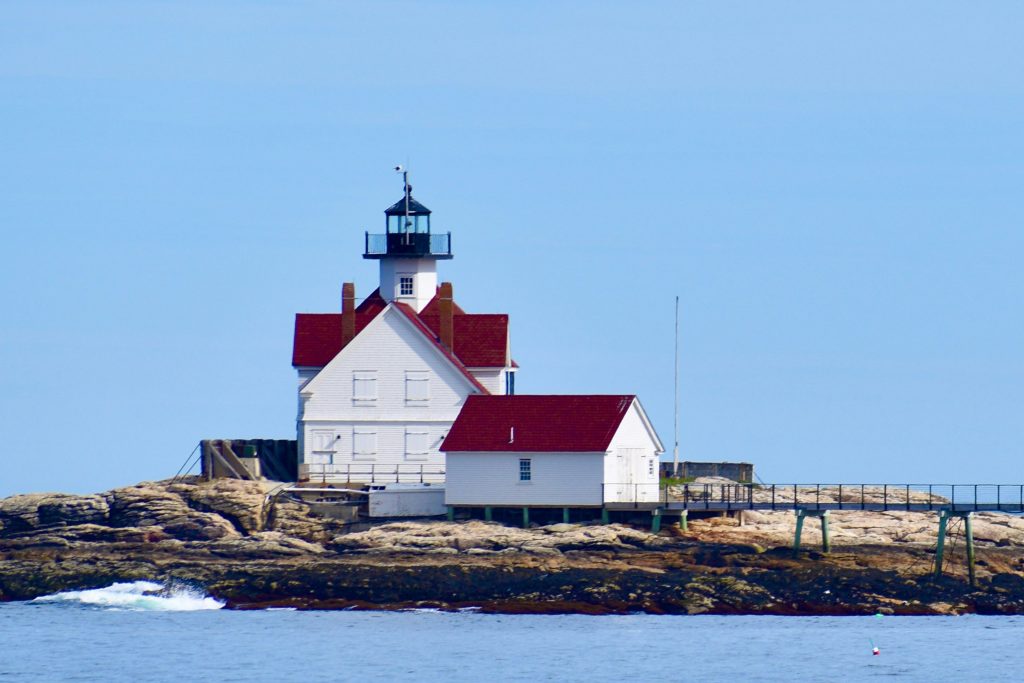
From Baltic Horizons to Atlantic Light
Northern and Western Europe offer an extraordinary variety of landscapes within relatively short distances. Scandinavian capitals rise beside cold northern waters, their streets shaped by maritime trade, modern design and centuries of regional history. Farther south, France introduces a different palette, from grand boulevards and riverfront cities to vineyards stretching across rolling countryside.
A journey connecting these regions is as much about changing atmosphere as changing geography. Stockholm and Copenhagen bring the calm rhythm of the Baltic and Øresund, while Paris and Bordeaux reveal another side of European culture, shaped by art, architecture, gastronomy and wine.
Stockholm Between Islands and Sea
Stockholm is a city that seems to emerge naturally from the water. Built across a collection of islands, the Swedish capital combines historic districts with contemporary neighbourhoods and an enormous surrounding archipelago.
Gamla Stan, the old town, occupies a compact island in the heart of the city. Narrow lanes wind between colourful buildings, small squares and centuries-old churches, while the Royal Palace adds a grander architectural presence.
Away from the historic centre, Stockholm becomes more relaxed. Södermalm has a strong independent character, with cafés, galleries, vintage shops and restaurants occupying streets that climb gently above the water. Djurgården, meanwhile, provides woodland paths and museums within easy reach of the centre.
The city’s relationship with nature is never far away. Even in a sophisticated capital, boats, parks and waterfront walks remain part of everyday life.
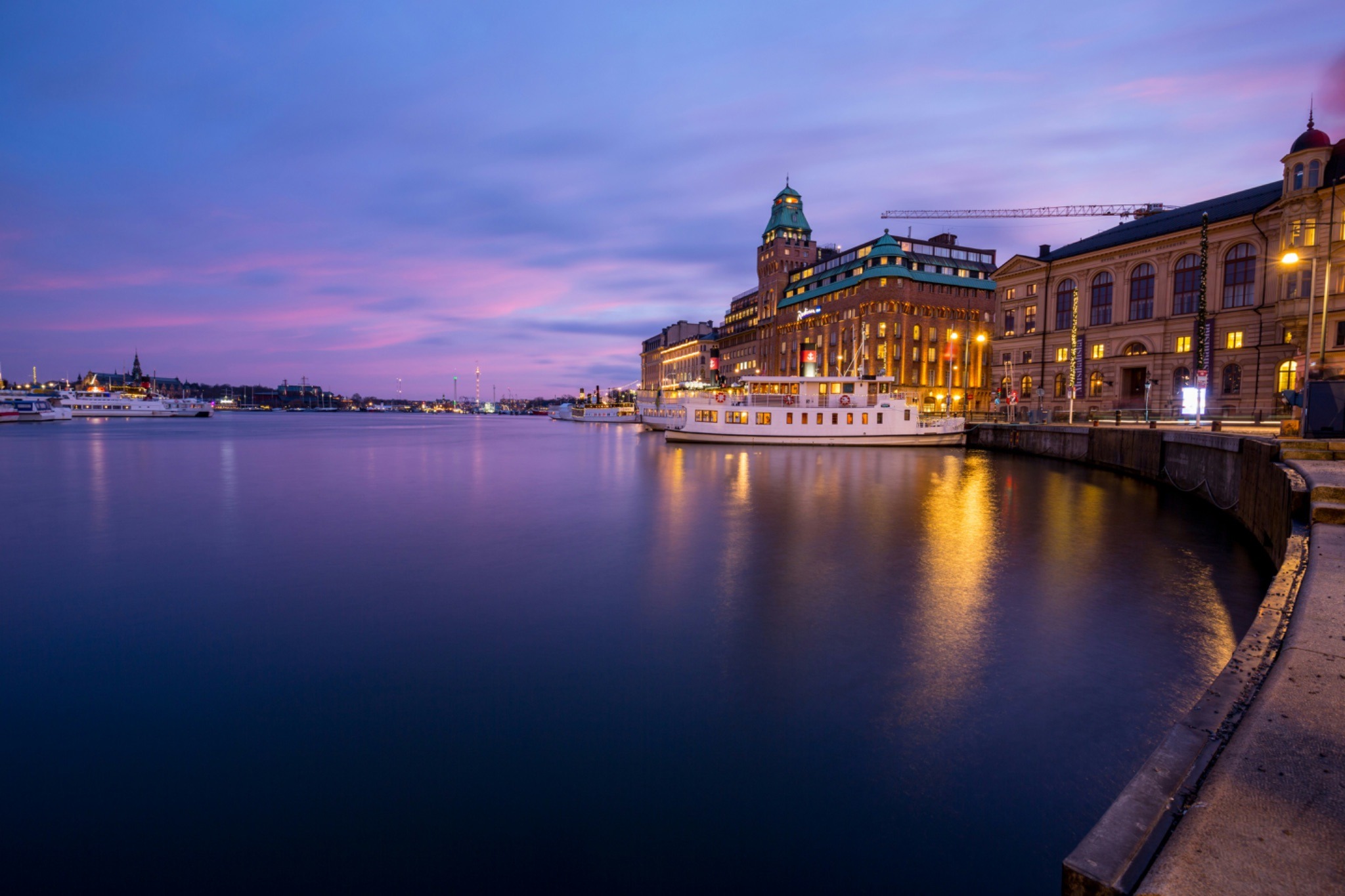
Across the Øresund
The trains from Stockholm to Copenhagen create a practical connection between two Scandinavian capitals with distinctly different personalities. The journey crosses southern Sweden before reaching Denmark, offering a gradual transition between the landscapes and urban character of the two countries.
Copenhagen has a more intimate scale than Stockholm, with cycling lanes, compact neighbourhoods and waterfront districts that are easy to explore on foot. Nyhavn is instantly recognisable for its colourful façades and historic harbour, but the city’s character extends well beyond this popular viewpoint.
Christianshavn combines canals with residential streets and contemporary architecture, while Nørrebro has a more diverse and energetic atmosphere. Museums, bakeries and independent shops add plenty of variety between the city’s better-known landmarks.
Copenhagen’s Maritime Character
Water has always been central to Copenhagen’s identity. The city’s harbour once served primarily commercial purposes, but many of its former industrial areas have been transformed into public spaces, residential districts and cultural venues.
The Black Diamond, home to the Royal Danish Library, is a striking example of contemporary architecture beside the waterfront. Its dark glass exterior reflects the harbour, creating an effective contrast with the older buildings nearby.
Amalienborg Palace provides a glimpse into Denmark’s royal history, while Frederik’s Church stands close by with its monumental dome. Together, they demonstrate the city’s ability to place grand architecture within a relatively compact urban setting.
Food also plays a major role in Copenhagen’s appeal. Traditional smørrebrød remains popular, while the city’s contemporary restaurants have helped bring Nordic ingredients and techniques to international attention.
Paris, Where the Journey Changes Tempo
Paris introduces a different rhythm. The Seine replaces the northern waterways, grand boulevards take the place of compact Scandinavian streets, and centuries of artistic and political history appear around almost every corner.
The Louvre remains one of Europe’s great cultural institutions, while the Musée d’Orsay offers an exceptional collection of nineteenth-century art inside a former railway station.
Yet Paris is best understood through its neighbourhoods. Saint-Germain-des-Prés has literary and artistic associations, Le Marais combines historic architecture with independent businesses, and Montmartre rises above the northern part of the city with its winding streets and views across the rooftops.
The Seine itself provides a natural route through the capital. Walking along its banks reveals monuments, bridges and riverside bookstalls, while an evening cruise offers another perspective on the illuminated city.
From Paris Towards the Vineyards
The Paris to Bordeaux train provides a swift transition from the French capital to one of the country’s most celebrated wine regions. As the journey progresses, dense urban surroundings give way to increasingly open landscapes before reaching southwestern France.
Bordeaux itself is an elegant city built along the Garonne. Its historic centre contains grand eighteenth-century buildings, broad squares and long waterfront promenades.
Place de la Bourse is among the city’s most recognisable sights, particularly when its façades are reflected in the Miroir d’eau. The surrounding streets are filled with cafés, wine bars and specialist shops, giving the historic centre a lively contemporary atmosphere.
Bordeaux and the Art of Wine
Bordeaux’s connection with wine is impossible to separate from its identity. The vineyards surrounding the city have produced internationally recognised wines for centuries, with celebrated appellations including Médoc, Saint-Émilion and Pomerol.
The Cité du Vin provides an introduction to the wider history of wine, exploring its production, trade and cultural significance through interactive exhibitions.
Outside the city, the landscape becomes distinctly rural. Vineyards stretch across gently rolling countryside, interrupted by stone villages, château estates and narrow country roads.
Saint-Émilion is particularly atmospheric, with medieval streets climbing around a historic monolithic church carved into the limestone. Its relationship with the surrounding vineyards gives the village a strong sense of place.
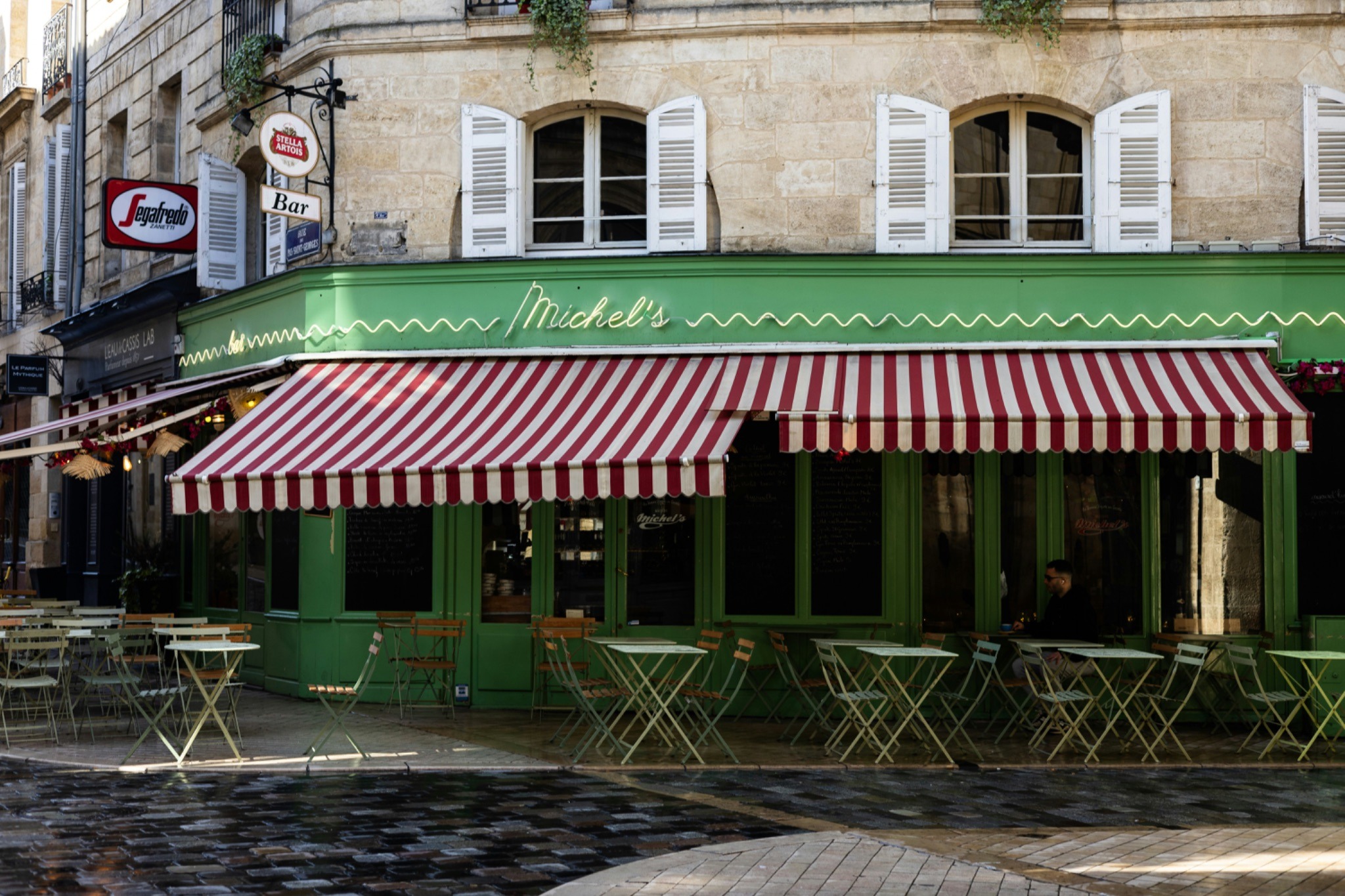
French Tables and Northern Flavours
The contrast between Scandinavia and France becomes especially noticeable at the table. Scandinavian cooking often makes use of seafood, rye, berries, root vegetables and preserved ingredients, reflecting the northern climate.
French cuisine draws on a far broader regional tradition, with bread, cheese, butter, vegetables, meat and wine taking different forms across the country.
In Bordeaux, wine naturally becomes part of the dining experience. Local restaurants frequently pair regional dishes with wines from nearby appellations, while markets provide an opportunity to see the ingredients that shape everyday cooking.
Paris offers almost limitless culinary variety, from classic brasseries to modern restaurants and neighbourhood bakeries. Copenhagen and Stockholm bring their own café cultures, with coffee and pastries providing an important pause during a day of sightseeing.
Architecture Through Different Eyes
The journey also reveals how European cities have responded to their histories. Stockholm’s architecture often combines timber, stone and restrained modernism, while Copenhagen is known for colourful historic buildings alongside innovative contemporary structures.
Paris is more monumental, with Haussmannian boulevards creating a distinctive urban order. Bordeaux’s grand façades reflect the wealth generated by commerce and maritime trade during the eighteenth century.
Despite their differences, all four cities demonstrate how architecture can preserve historical memory while adapting to modern life. Old buildings continue to house restaurants, shops, homes and cultural institutions rather than existing solely as monuments.
Landscapes Beyond the Capitals
Each destination also provides opportunities to move beyond its central districts. Stockholm’s archipelago offers islands, forests and rocky shores, while Copenhagen’s surrounding coastline provides beaches and smaller communities.
From Paris, the countryside begins surprisingly quickly, with historic towns and estates scattered across the surrounding regions. Bordeaux provides an even stronger connection to rural landscapes, particularly among the vineyards south and east of the city.
These excursions add balance to an itinerary dominated by major urban centres. They show how closely European cities remain connected to the countryside and coast that support them.
A Journey of Changing Colours
From Stockholm’s blue waterways to Copenhagen’s harbour, Parisian stone façades and the green vineyards surrounding Bordeaux, this route crosses several distinctive European landscapes.
The pleasure comes from the contrasts. Scandinavian cities offer a quieter northern atmosphere shaped by water, forests and seasonal light, while France brings a more expansive tradition of art, architecture, food and wine.
Travelling between them turns geography into part of the experience. The scenery changes gradually, but so do the rhythms of daily life, the flavours on the table and the architectural details along the way. By the time the vineyards of Bordeaux appear, the journey has moved through several different versions of Europe, each with its own character and sense of place.