
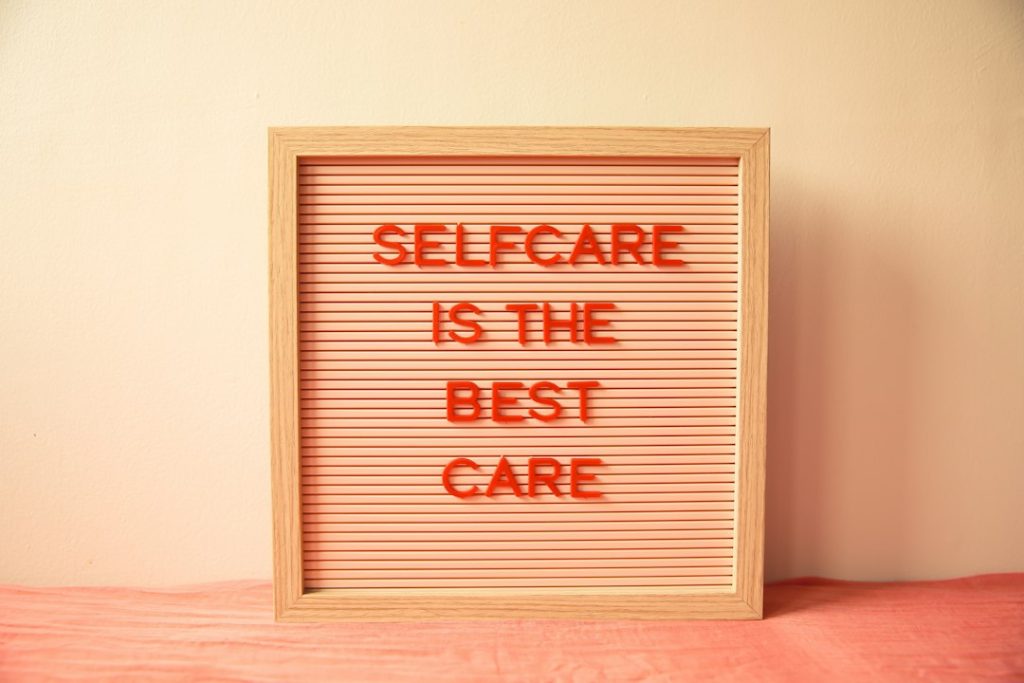
A practical guide to protecting your energy, setting boundaries and building habits that last.
Life moves quickly, and it is easy to treat personal wellbeing as something to address only after every other responsibility is finished. Between work commitments, family needs and a constant stream of digital distractions, even casual searches for entertainment such as top australian online casino can become another way to fill the few quiet minutes in a busy day. Yet genuine self-care is not about keeping ourselves occupied. It is about choosing routines that support our physical health, emotional stability and ability to enjoy daily life. When we consistently make room for rest, movement and meaningful connection, a balanced lifestyle becomes more achievable rather than an occasional luxury.
Self-care does not require expensive retreats, elaborate skincare products or hours of uninterrupted free time. It can begin with regular meals, clearer boundaries and a realistic bedtime. The most effective approach is personal, repeatable and flexible enough to fit around real-life demands.
What Is Self-Care?
Self-care refers to the intentional actions people take to support their physical, mental, emotional and social wellbeing. It includes preventive habits, such as staying active and maintaining sleep routines, as well as responsive choices, such as taking a break when stress builds or asking for help when a problem becomes difficult to manage.
Importantly, self-care is not a substitute for healthcare or professional mental health support. Rather, it works alongside those resources by helping people notice their needs and respond earlier. A balanced lifestyle makes space for responsibilities and recovery instead of placing them in constant competition.
Why Self-Care Matters for Everyday Balance
1. It Helps Manage Everyday Stress
Deadlines, household tasks and social obligations can make stress feel permanent. A short walk, a quiet lunch break or a few minutes of slow breathing can introduce a useful pause. These practices may not solve the underlying problem, but they create room to assess what needs attention instead of reacting automatically.
The goal is not to eliminate all stress. It is to build a routine in which recovery is normal. When the day includes predictable moments of rest, busy periods are less likely to consume every available hour.
2. It Supports Physical Health
Basic self-care habits overlap with well-established foundations of health: adequate sleep, varied nutrition, regular movement and access to appropriate medical care. A consistent sleep schedule can make mornings easier, while movement that suits your ability may improve fitness and day-to-day energy. Drinking water regularly and eating balanced meals are similarly practical ways to care for your body.
Avoid treating wellness as a perfection challenge. Missing a workout or eating an unplanned meal does not erase progress. What matters most is developing an overall pattern you can sustain.
3. It Creates Space for Emotional Wellbeing
Emotional self-care involves recognising feelings without immediately judging or suppressing them. Journaling, talking with someone you trust or spending time on a meaningful hobby can help you understand what you need. Sometimes the most useful action is to acknowledge disappointment, fatigue or frustration and adjust your plans accordingly.
If persistent distress interferes with work, relationships or daily functioning, seeking guidance from a qualified professional is a constructive form of self-care, not a failure of it.
4. It Strengthens Relationships and Boundaries
Healthy relationships benefit from attention and presence, but they also need boundaries. Saying yes to every request may lead to resentment or exhaustion. Protecting time for sleep, hobbies or family does not mean disregarding other people; it means being honest about the time and energy you have available.
Try clear, respectful language: “I can help tomorrow, but I cannot take this on tonight.” A specific response communicates care while making the limit understandable.
5. It Reduces the Risk of Running on Empty
People often wait until they feel completely depleted before taking a break. Small, regular recovery habits are more practical than relying on an occasional holiday to repair months of overwork. Notice early warning signs, such as trouble concentrating, skipping meals, becoming unusually irritable or feeling unable to switch off after work.
Those signals are an invitation to review your workload and support systems, not proof that you simply need a more demanding productivity routine.
Different Types of Self-Care to Include in Your Routine
Dimension
Everyday examples
Physical
Sleep, movement, nutrition, rest and routine health appointments.
Mental
Focused breaks, learning, reflection and reducing unnecessary information overload.
Emotional
Naming feelings, journaling, talking openly and seeking appropriate support.
Social
Making time for supportive people while maintaining personal boundaries.
Practical
Managing schedules, finances and household tasks to reduce avoidable pressure.
How to Build a Sustainable Self-Care Routine
Start With One Habit You Can Repeat
A long checklist may look motivating, but it can become another source of pressure. Choose one behaviour that fits naturally into your day: a ten-minute walk after lunch, a fixed wind-down time or preparing breakfast before a demanding morning. Repeat it consistently before adding anything else.
Treat Rest as Part of the Schedule
Rest deserves a place on your calendar just like meetings and appointments. Even a brief pause between commitments can make a day feel more manageable. Consider leaving a little unscheduled space instead of filling every gap with another task.
Set Realistic Digital Boundaries
Phones and online entertainment can be enjoyable, but endless scrolling often leaves less room for sleep or focused conversation. Set a screen-free period before bed, disable nonessential notifications and keep devices away from the table during meals. The purpose is intentional use rather than avoiding technology completely.
Protect the Basics During Busy Weeks
When life becomes demanding, prioritise a minimum routine: eat regularly, get enough sleep where possible, move a little and maintain contact with trusted people. A smaller routine you can follow during difficult weeks is more useful than an ideal one that collapses under pressure.
Check In and Adjust
At the end of each week, ask what helped you feel more capable and what drained your energy. Perhaps your evening exercise session is unrealistic, but a lunchtime walk works well. Self-care is a continuing process of adjustment, not a rigid plan to follow regardless of circumstances.
Common Self-Care Mistakes to Avoid
Confusing self-care with spending: relaxation does not have to involve shopping, subscriptions or luxury services.
Turning wellbeing into competition: another person’s morning routine may not match your work, health or family needs.
Using distractions as the only coping strategy: entertainment can be enjoyable, but it should not replace sleep, connection or practical problem-solving.
Ignoring underlying issues: ongoing exhaustion may require changes to workload, access to support or medical assessment.
Expecting instant results: sustainable routines usually develop through modest changes repeated over time.
A Simple Self-Care Plan for a Busy Day
Morning: drink water, eat something nourishing and identify one realistic priority. Midday: step away from your screen, stretch or walk briefly and check whether you need a proper meal or a pause. Evening: close out unfinished tasks, connect with someone you value and allow time to wind down before sleep. Adapt these suggestions to your schedule rather than forcing your day into a fixed template.
Frequently Asked Questions
Is self-care selfish?
No. Looking after your own basic needs can help you participate more fully in work, family and relationships. Healthy self-care also respects the needs and boundaries of other people.
How much time should I spend on self-care each day?
There is no universal number of minutes. Begin with a manageable habit and focus on consistency. Some forms of self-care, such as sleep, meals and movement, are already essential parts of everyday life.
Can self-care improve work-life balance?
It can support better balance when combined with realistic workloads, boundaries and recovery time. Personal habits alone cannot fix structural problems such as excessive working hours or inadequate support.
What if I struggle to maintain a routine?
Reduce the size of the habit, link it to an activity you already do and review what keeps interrupting it. If persistent physical or emotional symptoms are making daily life difficult, consider professional advice.
Final Thoughts: Make Wellbeing a Daily Priority
A balanced life is rarely the result of one dramatic transformation. It grows from small decisions made repeatedly: turning down an unnecessary obligation, getting outdoors, preparing a nourishing meal or making time for genuine rest. While online diversions, including searches for real money casinos, may occupy part of someone’s leisure time, they are not a replacement for the habits and relationships that support lasting wellbeing. Choose activities that leave you feeling restored rather than simply distracted.
Self-care is essential because your health, attention and energy influence nearly every other part of your life. Start with one practical change this week, allow your routine to evolve and remember that sustainable balance means caring for yourself even when life is busy—not only when everything else is finished.
SEO Publishing Notes
Suggested SEO title: Why Self-Care Is Essential for a Balanced Lifestyle
Meta description: Discover why self-care matters for a balanced lifestyle, with practical tips to reduce stress, set boundaries and build healthier daily habits.
Suggested URL slug: /why-self-care-is-essential-for-a-balanced-lifestyle/
Primary keyword: why self-care is essential for a balanced lifestyle
Secondary keywords: benefits of self-care; self-care routine; healthy work-life balance; everyday wellness habits; emotional wellbeing