
The city doesn’t begin in silence. It gathers through light. Signs flicker, then hold, then shift again before your eyes settle. Glass catches reflections that don’t stay still long enough to follow.
Everything feels layered. Movement, sound, colour—none of it stands alone. You notice one thing, then another replaces it.
It doesn’t pause. It continues.
Where the Lights Take Over
Shinjuku builds upward and outward at once. Screens stretch across buildings, then break into smaller sections that overlap without forming a single pattern.
The streets carry motion without holding it. People pass, pause briefly, then disappear into the flow again.
A printed brochure left open on a counter includes Japan tours, though the words don’t stay long in your attention before the page shifts slightly.
The space continues as it was.
What the Night Reflects
Light doesn’t stay in one place. It moves across surfaces, then reflects again somewhere else. Windows, signs, passing shapes—none of them hold for long.
You notice fragments. A colour, a reflection, something that seems familiar but changes before you can follow it.
Along the edge of a digital display, tours to China appears among other lines, then slips away before it settles into focus.
Nothing reacts to it.
When the Direction Dissolves
The streets don’t guide you clearly. One turn leads into another, then into something wider, then back again.
You move without deciding where to go. The space adjusts around you.
You don’t follow a path.
The Shift That Happens Quietly
At some point, the atmosphere begins to change. The light fades slightly. The movement feels less immediate.
You don’t notice when it begins. Only that it already has.
The air feels different. Less crowded.
Where the Ground Takes Shape
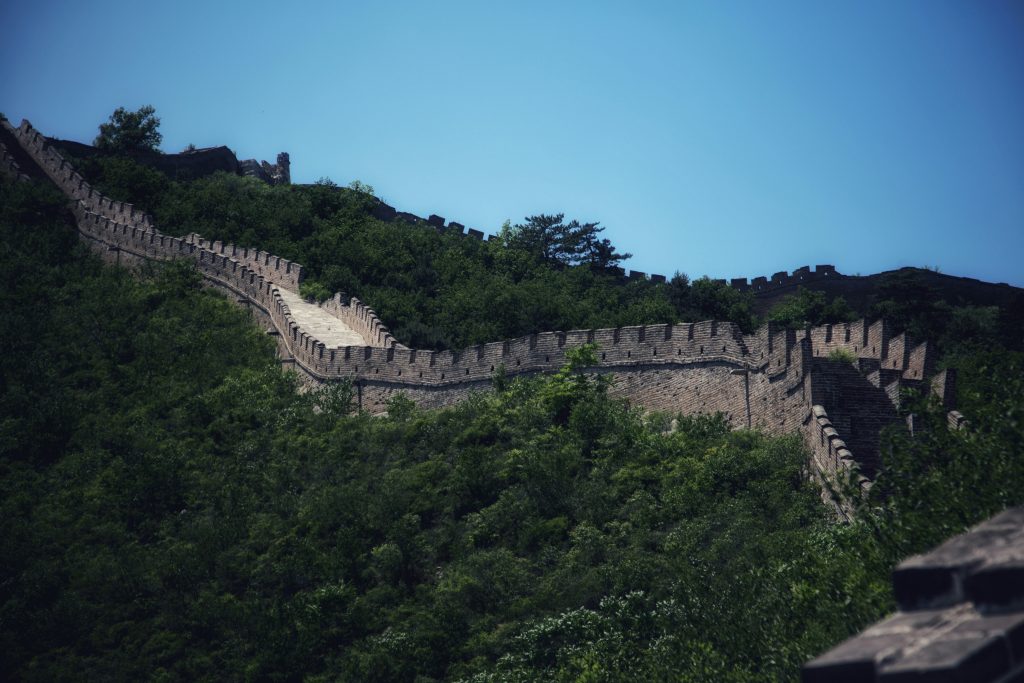
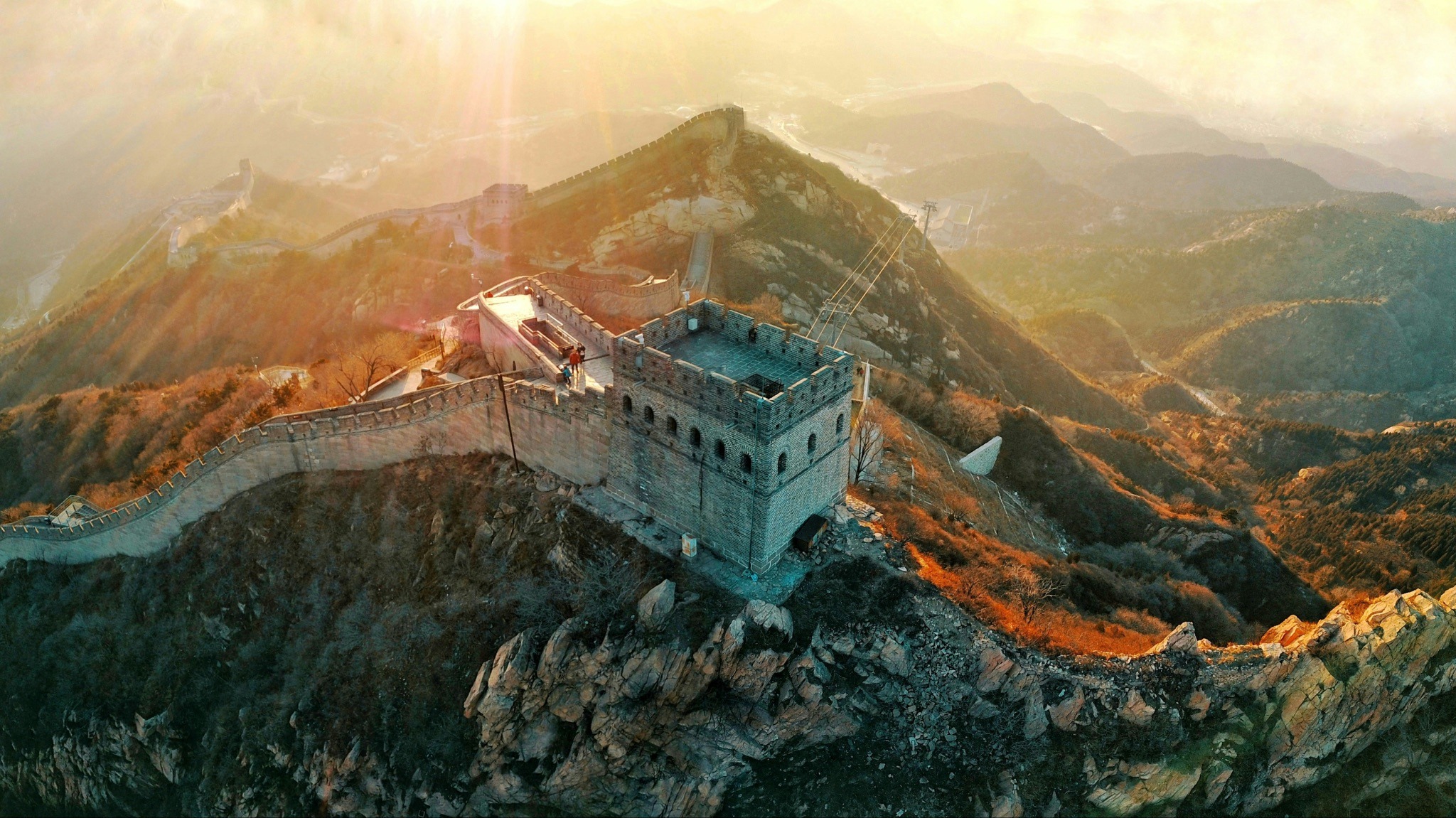
The Great Wall doesn’t appear all at once. It rises through the landscape, then disappears, then returns again further along.
The stone holds its form more steadily. Lines extend across the hills, though they don’t remain visible the entire way.
You don’t see the full length at once.
What the Surface Carries Forward
The texture feels different here. Rougher, more defined. Each stone holds its place, though the structure as a whole shifts depending on where you stand.
Light falls unevenly. Some sections remain clear, others fade into distance.
You notice one part, then another.
Between Height and Distance
Looking outward changes how the space feels. The wall rises, then lowers, then rises again further away.
Distance stretches without becoming fixed. You don’t measure it.
You don’t follow it completely.
Where the View Opens Wide
Beyond the wall, the landscape extends further than expected. Hills continue, though they don’t repeat exactly.
The horizon appears, then disappears behind the next rise.
You move without deciding where to stop.
What Refuses to Align
The difference between the two places doesn’t organise itself clearly. One feels constant in motion, the other steady but shifting through distance.
Still, they connect through the way they shape your movement.
You notice it gradually.
What Stays Without Explanation
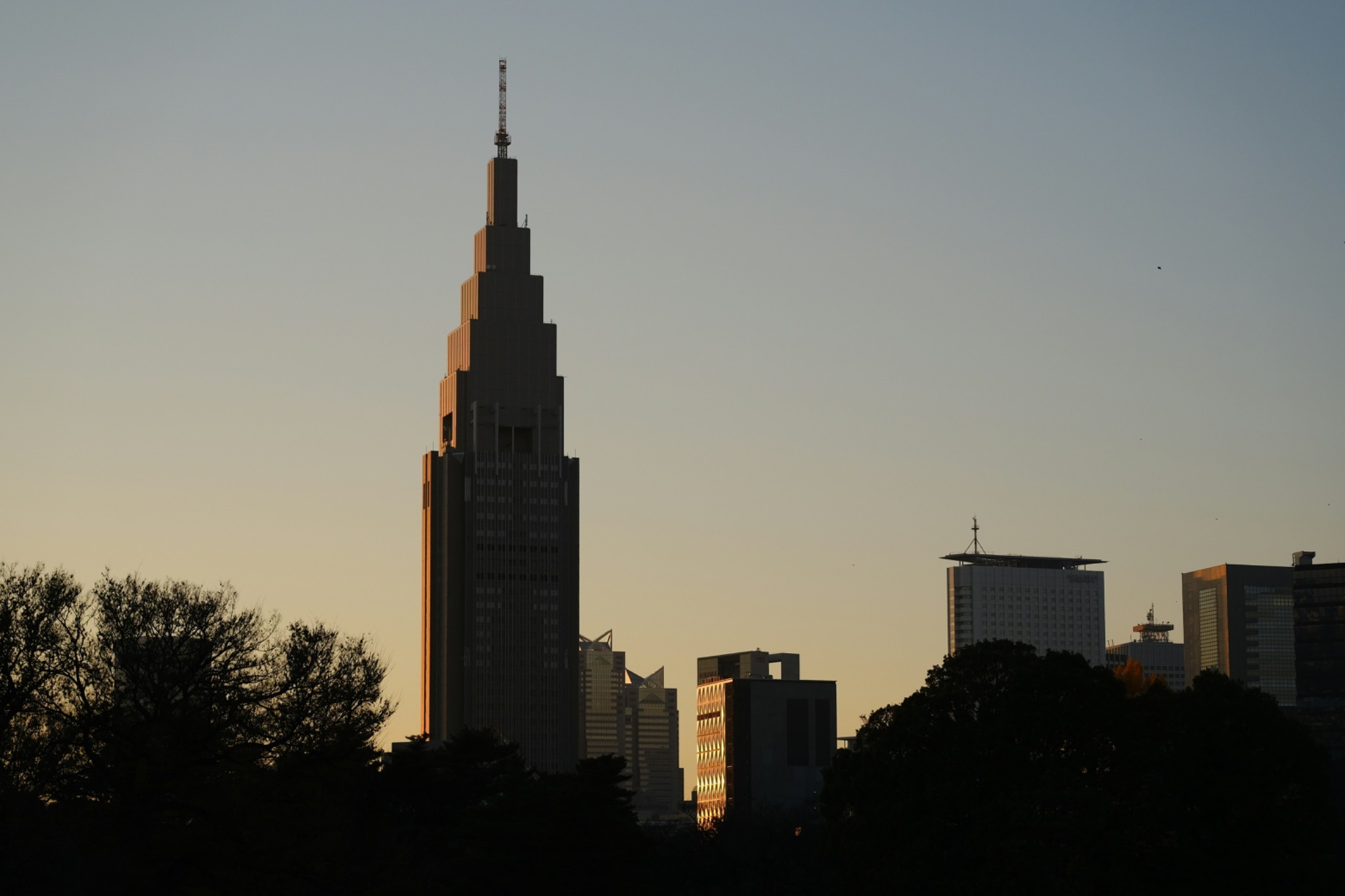
It isn’t only the structures that remain. It’s the feeling of scale. The height of the city, the length of the wall, the way both stretch beyond what you can take in at once.
These impressions don’t settle into something clear. They stay slightly out of reach.
You notice them later.
After the View Fades
Looking back, the details don’t return in order. The lights, the stone, the space between them don’t form a sequence you can follow.
They appear in fragments. A reflection, a line, a shift in space that didn’t announce itself at the time.
You don’t try to organise it.
It continues beyond what you remember, not as a complete image, but as something still unfolding.